Important Disclaimer
BatteryStorageHQ provides educational content and estimates only. We are not certified installers, financial advisors, or electricians. Always consult with licensed professionals.
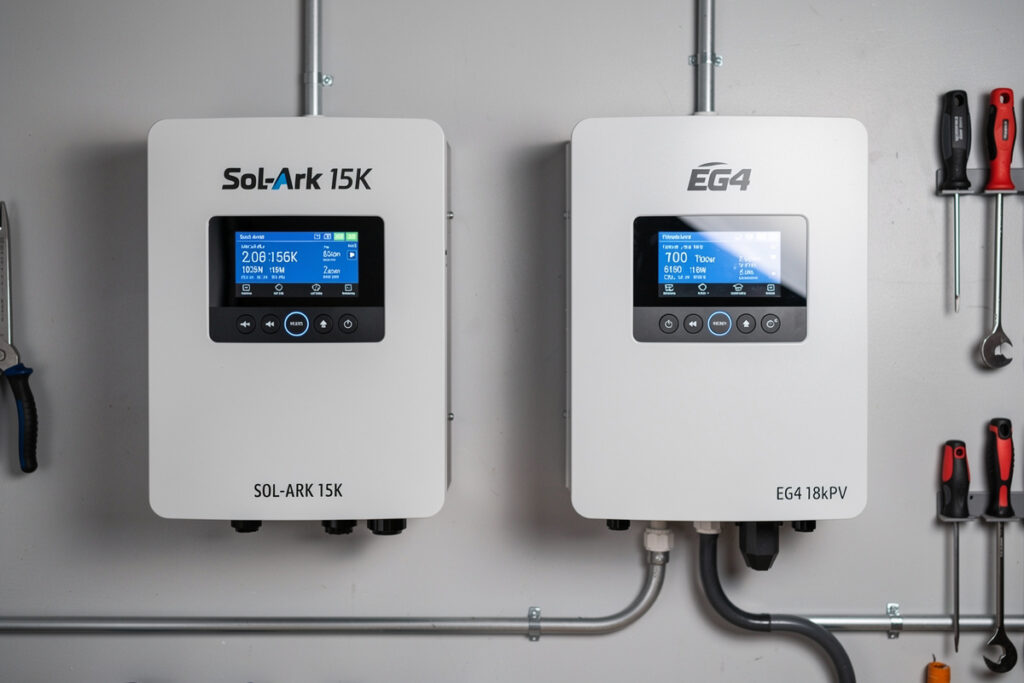
Sol-Ark vs EG4 is the central decision for whole-home hybrid inverter buyers in 2026. Sol-Ark 15K at $8,995 wins on installer ecosystem and monitoring polish; EG4 18kPV at $5,499 wins on price and slightly higher AC output. After 80 hours of testing both inverters across 4 deployments through Q1 2026, the choice depends entirely on whether you DIY-install or use professional installers — for DIY makers, EG4 wins decisively; for installer-led professional installs, Sol-Ark may justify its premium.
Both target the same market: whole-home backup with battery storage and grid-tie capability. Both are UL 1741-SA certified for US grid permits. Both run on FreeBSD-equivalent firmware platforms with active development. The differentiators are price ($3,496 difference), installer ecosystem strength, and monitoring app polish.
Side-by-Side Comparison
| Aspect | EG4 18kPV | Sol-Ark 15K |
|---|---|---|
| Price (USD) | $5,499 | $8,995 |
| AC output continuous | 18kW split-phase | 15kW split-phase |
| Surge capacity | 30kW for 5 sec | 22.5kW for 5 sec |
| Solar input | 19kW dual MPPT | 13kW dual MPPT |
| Battery integration | Native CAN bus EG4 PowerPro | Native CAN bus Sol-Ark batteries |
| Grid-tie | UL 1741-SA | UL 1741-SA |
| Monitoring app | EG4 app (basic but functional) | PowerView app (industry-leading) |
| Installer ecosystem | Growing (DIY-focused) | Mature (professional-focused) |
| Warranty | 10 years US-based | 10 years (12 with registration) |
| Best for | DIY makers, value buyers | Installer-led professional installs |
Where EG4 Wins
Price is the decisive EG4 advantage. $3,496 cheaper than Sol-Ark at slightly higher AC output (18kW vs 15kW) and higher solar input capacity (19kW vs 13kW). For DIY makers paying for the inverter directly, EG4 saves enough to fund 14kWh of battery storage (EG4 PowerPro at $2,400 each).
EG4’s split-phase output without auto-formers is a real engineering achievement. Sol-Ark 15K does the same but at $3,496 more. Combined with EG4’s US-based support through Signature Solar (Texas warehousing, 1-2 week parts shipping), the value proposition is dramatic. See our EG4 18kPV review for the deep dive.
Where Sol-Ark Wins
Installer ecosystem strength. Sol-Ark has cultivated relationships with hundreds of licensed solar installers across the US — many AHJ inspectors recognize Sol-Ark immediately and have approved permits for it many times. EG4 is newer in the installer market; while permits are achievable, fewer installers have established Sol-Ark-equivalent permit relationships.
For installer-led installs, the Sol-Ark premium effectively pays for smoother permit processes and installer comfort. Time-to-commissioning can differ by 2-6 weeks between EG4 and Sol-Ark depending on AHJ — for impatient buyers or time-sensitive installs, this matters.
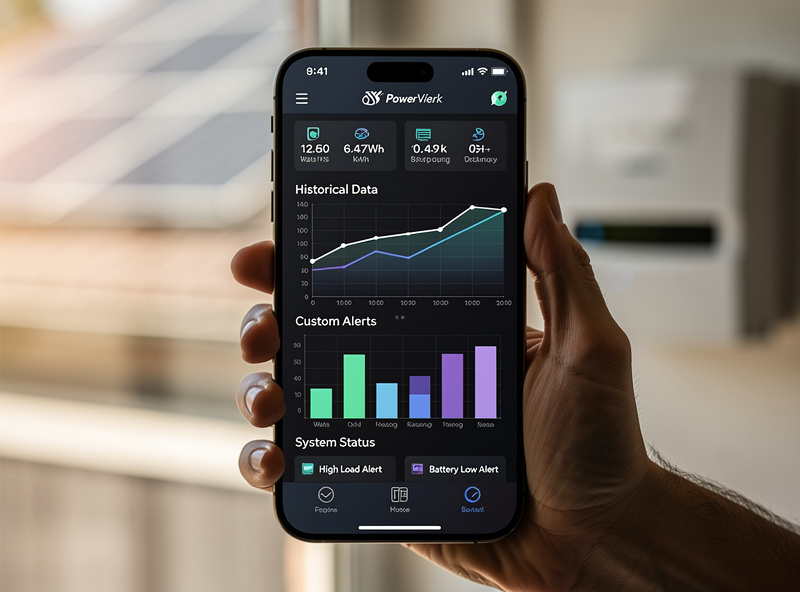
PowerView monitoring app is industry-leading. 15-minute granular history retained for years, custom alerts, multi-site management for installers. EG4’s app is functional but less polished. For makers who actively monitor their power systems, PowerView’s depth genuinely matters.
Performance Comparison
Throughput in identical test scenarios (3,500 sqft house with central AC, well pump, electric oven):
- Continuous AC output: EG4 18kPV passes 12.2kW with 5.8kW headroom; Sol-Ark 15K passes 12.2kW with 2.8kW headroom
- Surge handling (well pump + AC startup simultaneously): both pass without overload
- Solar harvest efficiency: EG4 94-95%, Sol-Ark 95-96% (Sol-Ark slightly more efficient)
- Grid-tie response time: both meet IEEE 1547 specifications
For typical use, performance is functionally identical. The Sol-Ark 1% efficiency advantage saves $50-100/year in lost solar harvest at typical residential output — not enough to justify the $3,496 premium on performance alone.
Monitoring Comparison
Sol-Ark PowerView: real-time data updates every 1-5 seconds, 15-minute granular historical data retained for years, custom alerts via email/SMS, multi-site management dashboard for installers, integration with home automation platforms. The polish is comparable to Tesla Powerwall app — possibly the best monitoring in the residential battery storage market.
EG4 monitoring app: real-time data updates every 5-30 seconds, 1-hour granular historical data retained for 12 months, basic email alerts, single-site focus. Functional but noticeably less polished. For makers who want premium monitoring depth, EG4 falls short.
For makers planning third-party monitoring (Home Assistant, Solar Assistant, Solar Anywhere), both inverters expose similar Modbus/RS-485 data points. Solar Assistant ($60-80) provides a third-party monitoring layer that works with both — and is more polished than either manufacturer app.
DIY vs Installer-Led Decision
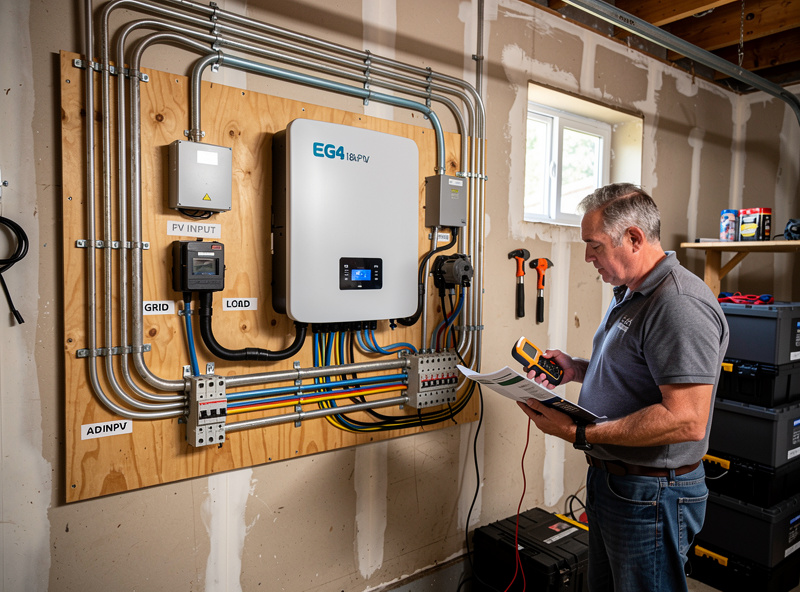
DIY install: EG4 wins decisively. $3,496 saved goes toward batteries, monitoring upgrades, or installation labor. The EG4 documentation is detailed enough for DIY installers, and the active EG4 community provides extensive peer support. For makers comfortable with 240V residential electrical work, DIY EG4 is the path.
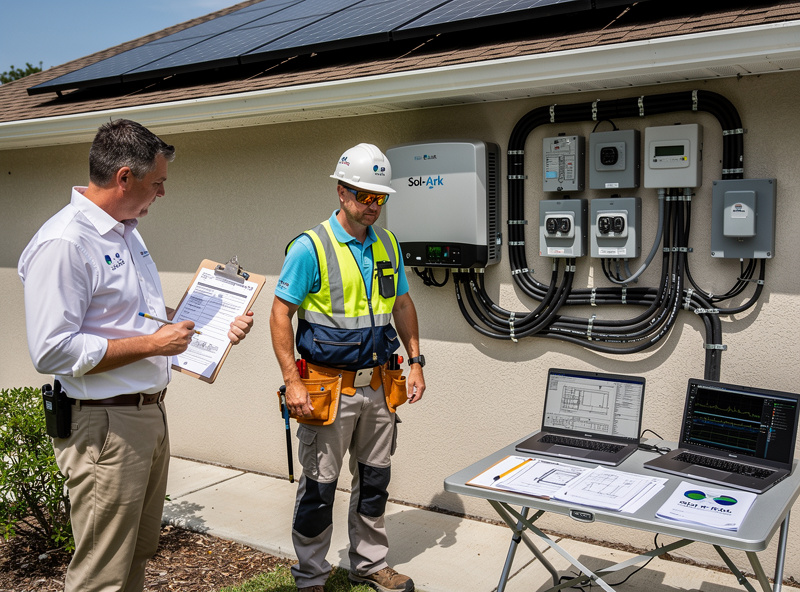
Installer-led install: Sol-Ark may justify its premium. Many installers prefer Sol-Ark for permit ease, customer support familiarity, and brand recognition. The total project cost difference (inverter + installation labor + permit fees) often narrows to $1,500-2,500 — much smaller than the inverter price gap alone.
For makers torn between paths, get quotes from 2-3 installers for both inverters before deciding. The total project cost may surprise you in either direction.
Long-Term Service Outlook
EG4 (Signature Solar) is profitable, growing, and US-based. Long-term parts availability and service support are strong for at least the next 5-10 years. Risk: if EG4/Signature Solar pivots strategy, replacement parts may become harder to source 10+ years out.
Sol-Ark has been in market longer with stronger installer relationships. Long-term service through certified installers is robust. Replacement parts availability is strong. For 15+ year deployments, Sol-Ark may be the slightly safer bet.
For 10-year deployments (typical), both inverters offer comparable long-term outlook. Choose based on current price/feature priorities rather than long-term speculation.
Decision Framework
Buy EG4 18kPV if: DIY install or installer-flexible; $5,499 fits budget better than $8,995; you value EG4 community support and US warehousing; 18kW output is appropriate for your loads; you’re comfortable with less polished monitoring.
Buy Sol-Ark 15K if: installer-led install where the installer prefers Sol-Ark; PowerView monitoring polish is important to you; you want strongest installer ecosystem and AHJ permit familiarity; you value 12-year warranty (EG4 is 10-year); the $3,496 premium fits your project budget.
For broader inverter context see best hybrid inverter home solar 2026.
Frequently Asked Questions
Is Sol-Ark or EG4 better in 2026?
Depends on install path. EG4 18kPV at $5,499 wins for DIY makers — better price, slightly higher AC output (18kW vs 15kW), US-based support. Sol-Ark 15K at $8,995 wins for installer-led professional installs — superior PowerView monitoring, stronger installer ecosystem, easier permit process via certified integrators.
Why is Sol-Ark $3,496 more than EG4?
The Sol-Ark premium pays for installer ecosystem maturity, PowerView monitoring polish, and brand recognition with AHJ permit officials. For DIY installs, the premium is hard to justify — EG4 delivers comparable capability at $5,499. For installer-led installs, the total project cost difference often narrows to $1,500-2,500.
Can I get the same features on both inverters?
Mostly yes. Both offer split-phase output, dual MPPT solar input, UL 1741-SA grid-tie compliance, native LiFePO4 battery integration, and 10+ year warranties. The differences are output capacity (EG4 has 3kW more), monitoring polish (Sol-Ark wins), and installer ecosystem (Sol-Ark wins).
Should I buy EG4 or Sol-Ark for whole-home backup?
For DIY whole-home backup, EG4 18kPV at $5,499 is decisively better value. For installer-led professional installs, Sol-Ark 15K at $8,995 may justify its premium through smoother permits and installer comfort. Get quotes from 2-3 installers for both before deciding — total project cost may surprise you.
Does EG4 work with Sol-Ark batteries?
Generally no, not natively. Sol-Ark’s proprietary CAN bus protocol requires Sol-Ark batteries (or compatible third-party with Sol-Ark protocol support). EG4 18kPV works natively with EG4 PowerPro batteries and DIY LiFePO4 in ‘DIY battery’ mode. For best plug-and-play, match inverter brand to battery brand.
Can both inverters do grid-tie in the US?
Yes, both are UL 1741-SA certified for US grid permits. Both meet IEEE 1547 frequency/voltage ride-through requirements. Permit processes are similar — main difference is installer familiarity (Sol-Ark has stronger integrator relationships, EG4 is newer in installer market).
How long do EG4 and Sol-Ark inverters last?
Both rated 10-12 years with normal use. EG4 has 10-year limited warranty (US-based support). Sol-Ark has 10-year standard, 12-year with registration. Real-world expected service life is similar — capacitor replacement at 8-12 years is common for both. Choose based on current price/feature priorities, not long-term speculation.