Important Disclaimer
BatteryStorageHQ provides educational content and estimates only. We are not certified installers, financial advisors, or electricians. Always consult with licensed professionals.
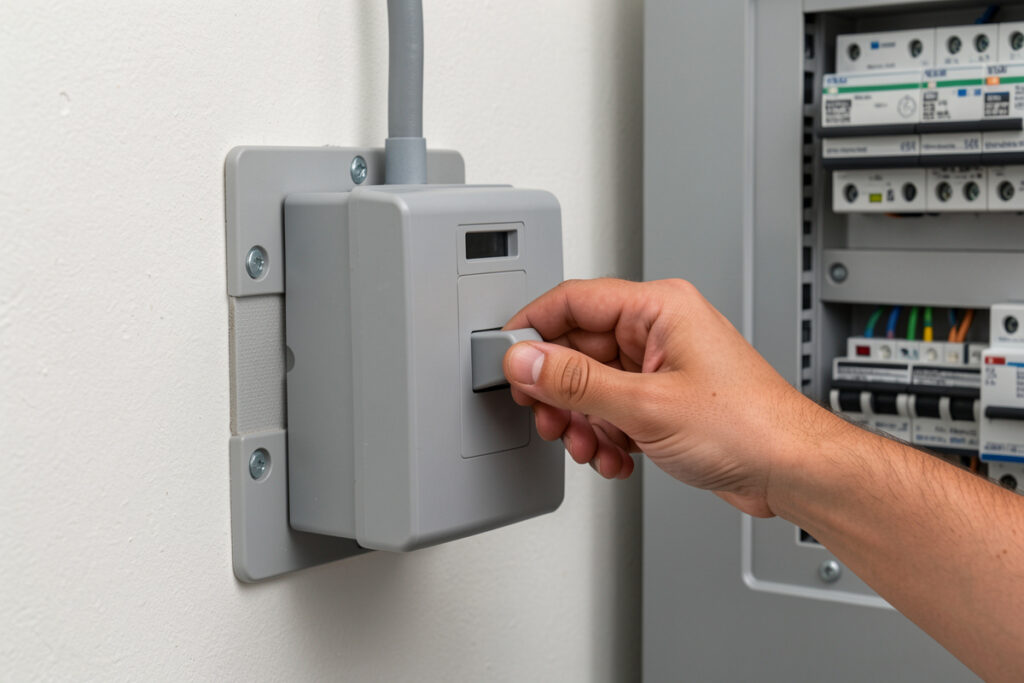
A transfer switch is the device that disconnects your home’s loads from the utility before connecting them to your battery backup, so your inverter can never push voltage back onto the grid. Choosing one is mostly three decisions: manual versus automatic, how many circuits it carries (a critical-loads switch is typically 30–60 A, a whole-service one 100 or 200 A), and whether it sits at the whole service or at a critical-loads subpanel. This transfer switch battery backup guide walks all three from the builder’s bench, not the catalog.
I run a transfer arrangement on my own system in Sweden, and the thing I want every first-timer to internalize is that this is the safety-critical interface, not an accessory. Get it wrong and you create a back-feed hazard that can kill a lineman working on what they believe is a dead line. Start with the home backup power guide for the whole picture, then come back here for the switch itself.
Why you cannot just back-feed the panel
The dangerous shortcut people find online is a “suicide cord” or an unprotected breaker back-feed that energizes the panel from an inverter. It is illegal, it defeats every safety assumption the utility makes, and it can send lethal voltage down a line crew’s conductors. A transfer switch exists precisely to make that impossible: it is a break-before-make device, mechanically guaranteeing the grid and your backup source are never connected at the same time. Anti-islanding handles this automatically for grid-tied inverters — see the anti-islanding requirements guide — but a transfer switch is the physical backstop for the loads you island deliberately.
The three types you will actually choose between
Manual transfer switch. You throw it by hand when the grid drops. Cheapest, simplest, nothing to fail, but it only works if someone is home to operate it. Fine for a workshop or a cabin where a few minutes of darkness is no emergency.
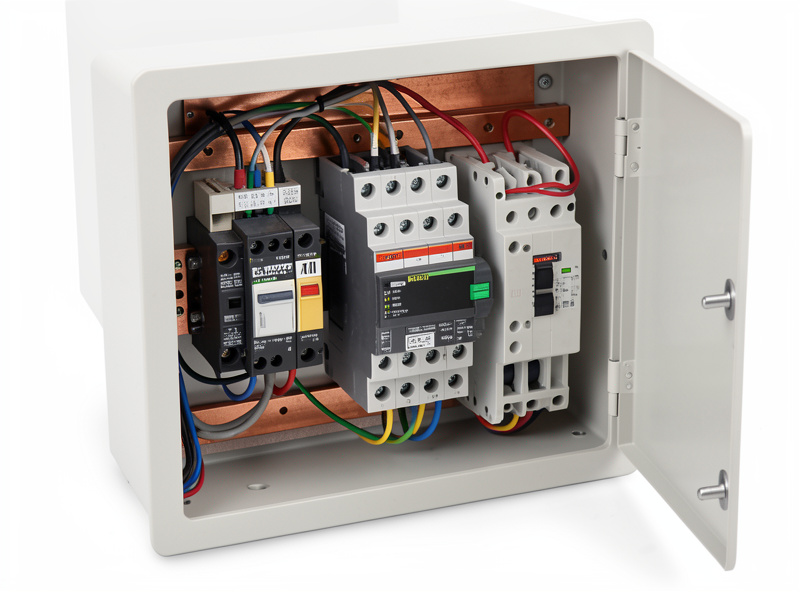
Automatic transfer switch (ATS). It senses the outage and switches within seconds, no human needed. Essential if you are backing up a sump pump, a freezer, or anything that cannot wait for you to get home. More expensive and there is a contactor that can eventually wear, but for unattended loads it is the right call.
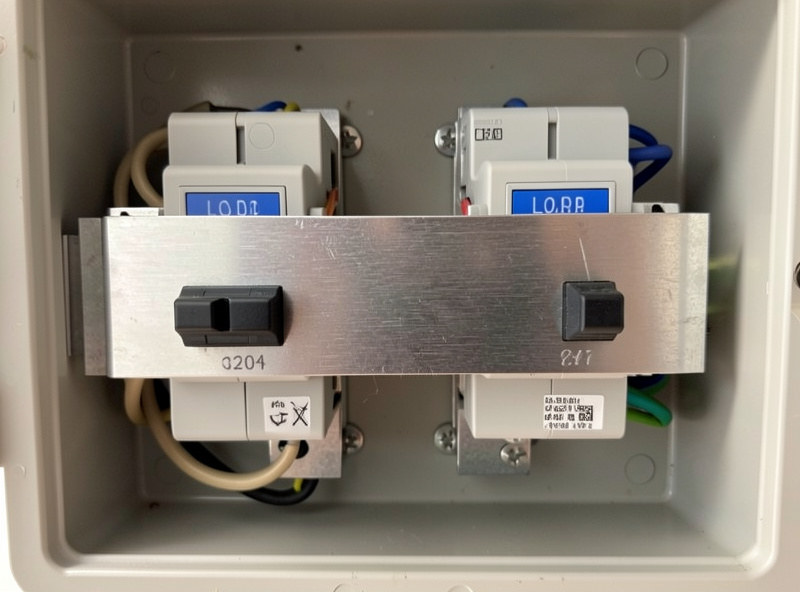
Breaker interlock kit. A sliding plate over two breakers in your main panel that physically prevents the main and the backup breaker from being on together. It is the cheapest code-compliant way to back-feed a whole panel, but it is manual and panel-specific. I like interlocks for budget whole-panel jobs where the owner is comfortable flipping breakers in a sequence.
Sizing the transfer switch
The switch must be rated for the current it will carry and matched to your service voltage and configuration. A critical-loads transfer switch is typically rated for the subpanel it feeds — often 30 to 60 A. A service-entrance ATS for whole-home backup is sized to the service, commonly 100 or 200 A. Undersizing here is not a place to economize: the switch carries every amp your backed-up loads draw, continuously.
Match the poles to your system too. Most North American homes are split-phase 120/240 V and need a two-pole switch to transfer both legs. Get the configuration wrong and you can lose your 240 V loads or, worse, create a floating neutral. If any of that sentence was unfamiliar, this is the part of the job to hand to a licensed electrician — and the interconnection has to satisfy NEC for home energy storage regardless.
Service-entrance vs critical-loads placement
Where the switch sits decides what it can back up. A service-entrance transfer switch transfers the whole house and lets your inverter carry everything — but then your inverter has to be big enough for the whole house, which is rarely the cheapest path. A critical-loads transfer switch feeds only a dedicated subpanel holding the circuits you chose to keep alive, which keeps the inverter sane and the bank small. For most homes I steer people to the critical-loads layout; the full reasoning is in the critical-loads panel guide, and the bank that feeds it is covered in whole-home backup sizing.
There is a third placement worth knowing about: a “smart” or managed transfer that sits at the whole service but sheds non-essential loads automatically when on battery. These let a modest inverter back up a whole panel by dropping the range and dryer the instant they would overload the inverter, then restoring them when the grid returns. They are more complex and more expensive, and they only make sense if you genuinely want whole-panel coverage from a bank that cannot carry the whole panel at once. For most of the builds I help with, the plain critical-loads subpanel does the same job with fewer parts to fail.
Transfer switch types compared
| Type | Operation | Typical cost | Best for | Catch |
|---|---|---|---|---|
| Manual transfer switch | Hand-thrown | Low | Attended loads, cabins, workshops | Useless if nobody is home |
| Automatic transfer switch | Auto-sensing, seconds | High | Sump pumps, freezers, unattended loads | Contactor wear over years |
| Breaker interlock kit | Manual breaker sequence | Lowest | Budget whole-panel back-feed | Panel-specific, manual |
| Hybrid inverter with built-in transfer | Automatic, <20 ms | Built into inverter | Seamless backup, no flicker | Ties you to that inverter |
That last row matters: many modern hybrid inverters include a fast internal transfer relay that switches in well under a line cycle, so the lights never even flicker. If you are buying a hybrid inverter anyway, you may not need a separate ATS at all — just a critical-loads subpanel wired to its backup output.
Wiring and safety notes
Neutral-ground bonding is the detail that trips up DIY transfer installs. The bond exists at exactly one point in the system; a transfer switch that switches the neutral changes where that bond needs to be, and getting it wrong creates either a missing ground reference or a dangerous parallel neutral path. Treat the bonding scheme as part of the switch selection, not an afterthought, and verify it against battery wiring safety practice. As with all of this, the conservative path is to let a licensed electrician make the service-side connection — residential battery installs fall under NFPA 855 for stationary energy storage.
One more practical note from my own bench: whatever switch you choose, label it clearly and test the transfer before you depend on it. I run a deliberate outage on the system a couple of times a year — kill the grid feed, confirm the loads transfer cleanly, watch the inverter pick up the surge when the pump starts, then transfer back. A transfer switch that has never been exercised is a switch you do not actually know works, and finding a wiring or bonding error during a planned test in daylight beats finding it at 2 a.m. in a storm. The same discipline applies to an automatic switch: confirm it actually senses loss of grid and switches within its rated time, because a stuck contactor fails silently.
As an Amazon Associate I earn from qualifying purchases. If you are speccing a manual unit, a critical-loads manual transfer switch is the category to compare against your subpanel amperage.
Frequently Asked Questions
Do I need a transfer switch for battery backup?
Yes, unless your hybrid inverter has a built-in transfer relay. A transfer switch disconnects your loads from the grid before connecting them to backup, which is what stops your inverter from back-feeding live voltage onto the utility line and endangering line crews.
What is the difference between a manual and automatic transfer switch?
A manual transfer switch is thrown by hand and only works if someone is home. An automatic transfer switch senses the outage and switches within seconds with no human present, which is essential for unattended loads like sump pumps and freezers.
What size transfer switch do I need?
Match it to the current it carries. A critical-loads switch feeding a subpanel is typically 30 to 60 A, while a whole-home service-entrance switch is sized to the service at 100 or 200 A. Most North American homes also need a two-pole switch for split-phase 120/240 V.
Is a breaker interlock kit code-compliant?
Yes, a listed interlock kit matched to your specific panel is a recognized, code-compliant way to back-feed a whole panel. It is the cheapest option but it is manual and requires flipping breakers in the correct sequence each time.
Can I install a transfer switch myself?
The subpanel and load-side wiring is within reach of a confident DIYer, but the service-entrance connection and neutral-ground bonding carry real shock and code stakes. The conservative path is to have a licensed electrician make the service-side connection.