Important Disclaimer
BatteryStorageHQ provides educational content and estimates only. We are not certified installers, financial advisors, or electricians. Always consult with licensed professionals.
The best solar panel brands are not the ones with the highest efficiency number on the box — they are the ones whose warranty will still be honoured in fifteen years. A 25-year production warranty is worthless if the manufacturer has vanished by year eight, so brand selection is really a bankability decision: pick a Tier-1 maker with a real balance sheet, a documented degradation curve, and connectors that do not fail in the field. Efficiency differences between reputable brands are small; survival differences are not.
I weight three things when choosing panels for my own array: the company’s likelihood of still existing to honour the warranty, real-world degradation data rather than glossy lab numbers, and connector and junction-box quality, because in practice those fail far more often than the silicon does. This is the brand chapter of the broader home solar panel guide, written to keep you out of the gray-market traps.
What “Tier 1” Actually Means
This is the most misunderstood term in solar. “Tier 1” is a financial bankability ranking — it describes manufacturers that banks are willing to finance large projects with, based on scale and balance-sheet strength. It is not a direct measure of panel quality or efficiency. A Tier-1 label tells you the company is large and stable enough that its 25-year warranty is likely to mean something, which is exactly the thing that matters most for a panel you will live with for decades.
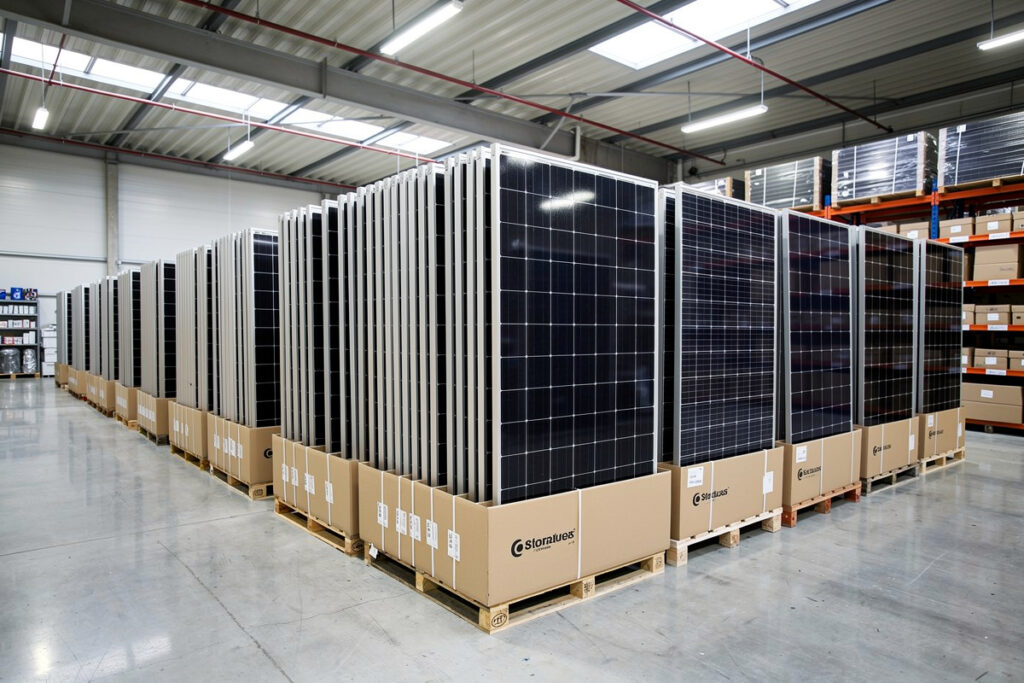
That said, Tier-1 status correlates with quality because large, financed manufacturers have the volume to maintain consistent production and real warranty service. The names that consistently appear on Tier-1 lists — the major Chinese volume producers and a handful of premium Western and specialty makers — are a reasonable safe set. The point is not to chase one specific brand but to stay inside that bankable group and avoid the no-name pallets that flood the budget market.
The Metrics That Actually Separate Brands
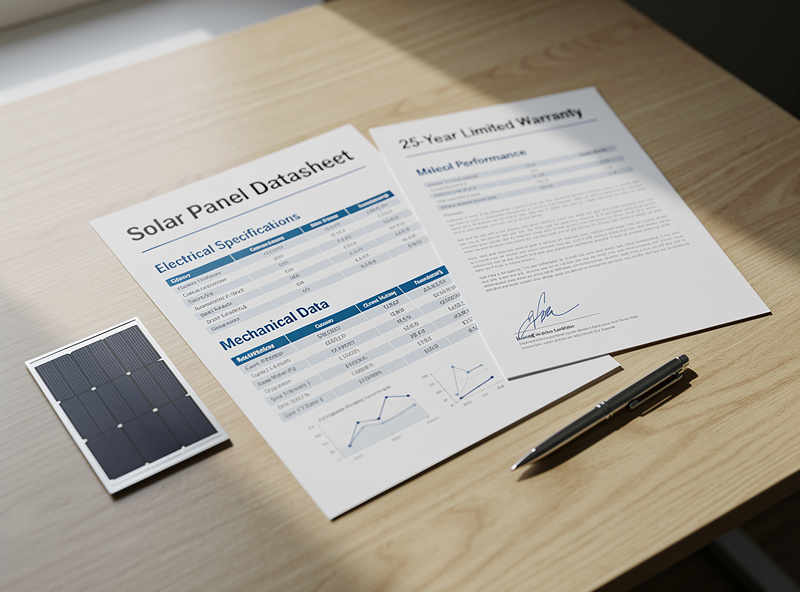
Strip away the marketing and four datasheet-and-paperwork lines do the real sorting. First, the production warranty terms: not just the headline years, but the guaranteed output at year 25 (good panels promise 87–92% of original) and how low the annual degradation rate is. Second, the product (workmanship) warranty, separate from the production warranty — premium brands back the physical panel for 25 years, budget brands often only 10–12.
Third, the temperature coefficient, which decides how the panel behaves away from lab conditions; a gentler coefficient earns its keep in both heat and cold. Fourth, and most overlooked, the bill of materials quality — the junction box, the backsheet, and the connectors. These are where field failures actually originate, and they are exactly what a no-name manufacturer cheapens first. Match the panel to a quality MPPT controller and the system is only as reliable as its weakest connector.
The Premium Tier
At the top sit the specialty and premium makers — the high-efficiency, premium-warranty names that command a real price premium for genuinely better degradation curves, stronger workmanship warranties, and the highest power density per square metre. For someone with very limited roof space who needs to extract maximum watts from minimum area, that premium can be worth it: more energy per panel, fewer penetrations, longer guaranteed output. The N-type cell discussion overlaps here, since the premium tier leads on the newer cell architectures.
But premium is rarely the value play. The density advantage only matters when roof area is the binding constraint. If you have the space — especially on a ground mount — buying more panels of a solid mid-tier brand usually beats fewer premium panels for the same total cost and harvest. Premium efficiency is a roof-space purchase, not a free-energy purchase.
The Value Workhorses
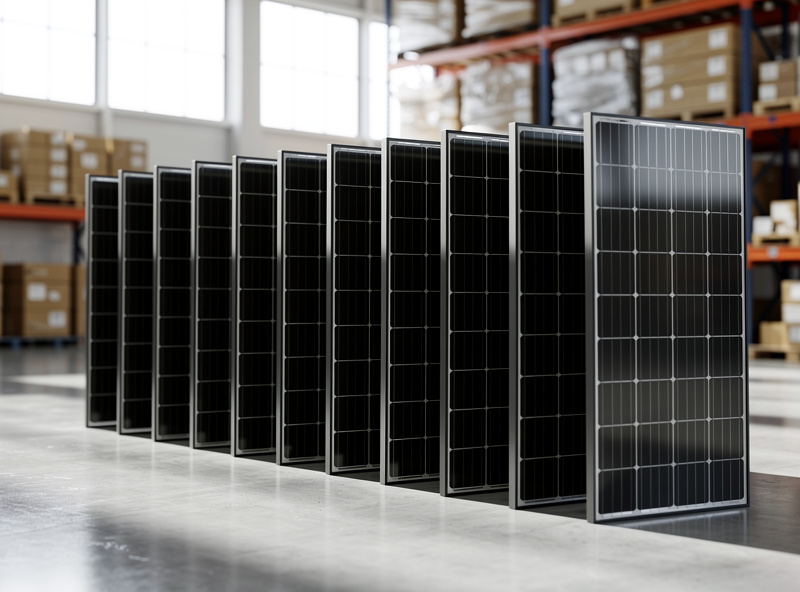
The bulk of the residential market runs on the large-volume Tier-1 manufacturers, and for good reason: they offer 90%+ of the premium performance at a meaningfully lower price, with bankable warranties and consistent quality. For most home battery builds with adequate roof or ground space, a solid mid-tier Tier-1 panel is the sweet spot — you are paying for reliability and warranty backing rather than for the last percentage point of efficiency that you do not need.
My honest stance: once you are inside the Tier-1 group, the brand-to-brand difference is smaller than the difference your tilt angle, string design, and charge controller will make. I would not lose sleep choosing between two reputable mid-tier brands; I would lose sleep buying an unbranded pallet to save 15%. Put the saved decision energy into sizing and mounting, where the bigger gains and bigger mistakes live.
The Connector Problem Nobody Warns You About
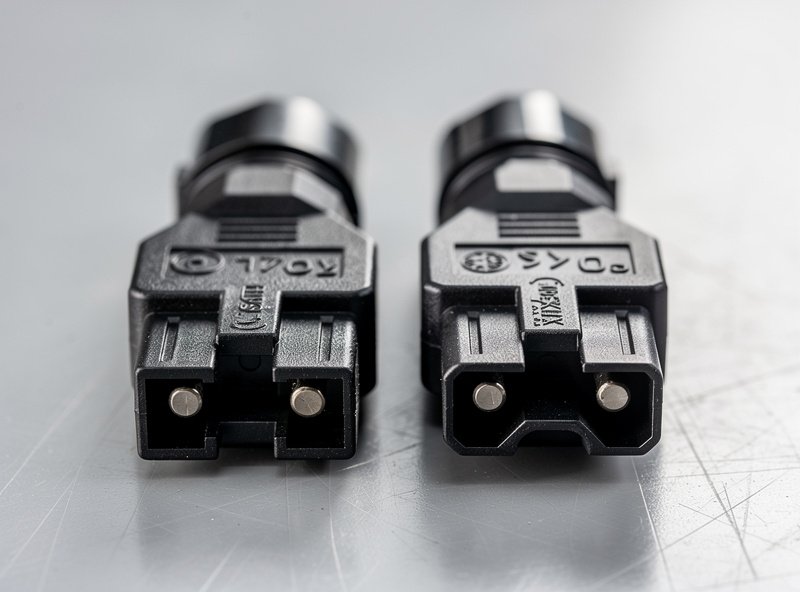
Here is the field-failure secret: more solar systems fail at the connectors than at the cells. The MC4 connector standard is sound, but the market is flooded with cheap clones that look identical and fit together — yet have subtly different internal geometry. Mate a genuine MC4 to a clone and you get a high-resistance junction that heats up, oxidises, and eventually arcs and fails, sometimes dramatically. Always mate genuine connectors to genuine, same-brand connectors.
This is also where a small honest purchase actually lives on Amazon. For extending runs or building pigtails, buy quality MC4 connectors and a proper crimp tool rather than improvising, and if you are building a small test rig before committing to a full array, a known-good 100 W monocrystalline panel lets you learn the wiring cheaply. The big panels themselves you buy direct — shipping glass by courier is expensive and slow.
What to Actually Avoid
The clear warning signs: no traceable manufacturer, a warranty with no registered legal entity to honour it, prices far below the Tier-1 floor, and “mystery Ah” or “mystery watt” salvage pallets sold without datasheets. Cheap is not the enemy — unaccountable is. A reputable mid-tier panel at a fair price beats a premium-looking no-name every time, because the warranty is the product as much as the glass is. The same logic governs the battery side: bankable warranty over headline spec.
Brand tiers at a glance
| Tier | What you pay for | Best for | Watch out for |
|---|---|---|---|
| Premium / specialty | Highest efficiency, best degradation, strongest workmanship warranty | Tight roof space, maximum density | Paying for density you do not need |
| Mid-tier Tier-1 (volume) | 90%+ of premium performance, bankable warranty, lower price | Most home builds with space | Little — the value sweet spot |
| Budget branded | Lower cost, shorter workmanship warranty | Cost-driven builds with space | Check year-25 output and BOM quality |
| Salvage / used | Cheapest watts, no warranty | Zero-budget experiments | Aged connectors, no recourse |
| No-name / mystery | Nothing reliable | Nothing — avoid | Unhonourable warranty, hidden defects |
My Verdict
Buy from a Tier-1 manufacturer, prioritise the warranty’s bankability and year-25 output over a fractional efficiency edge, and reserve premium brands for genuinely roof-space-constrained installs. For most people with room to spread panels out, a solid mid-tier Tier-1 module is the right call. Then spend your real attention on connector quality, string design, and mounting — because a perfect panel on a clone connector still burns down, and that is a brand-agnostic truth.
Frequently Asked Questions
What does Tier 1 mean for solar panels?
Tier 1 is a financial bankability ranking of manufacturers large and stable enough that banks will finance their projects. It is not a direct quality or efficiency rating, but it strongly signals the company will still exist to honour a 25-year warranty, which is what matters most.
Are expensive premium solar panels worth it?
Only when roof space is the binding constraint. Premium panels give the highest watts per square metre and strongest warranties, ideal for small roofs. If you have space, buying more mid-tier Tier-1 panels usually delivers the same harvest for the same money at lower risk.
What is the most important spec when choosing a brand?
The warranty’s bankability and its guaranteed year-25 output, not headline efficiency. Good panels promise 87 to 92 percent of original output at 25 years with low annual degradation. A strong workmanship warranty and quality connectors matter more than a fractional efficiency advantage.
Why do solar connectors fail more than panels?
The MC4 standard is sound, but cheap clone connectors look identical while having subtly different internal geometry. Mating a genuine connector to a clone creates a high-resistance joint that heats, oxidises, and can arc and fail. Always mate genuine connectors of the same brand.
Can I buy solar panels on Amazon?
Small panels yes, but full residential modules are usually cheaper direct from local distributors because shipping glass by courier is expensive. Amazon is the right place for accessories like MC4 connectors, crimp tools, and small test panels, not for your main roof array.
Are cheap solar panels always a bad idea?
No, cheap is not the enemy, unaccountable is. A reputable mid-tier branded panel at a fair price is fine. The danger is no-name or mystery pallets with no traceable manufacturer and a warranty no legal entity will honour. Buy on accountability, not just price.