Important Disclaimer
BatteryStorageHQ provides educational content and estimates only. We are not certified installers, financial advisors, or electricians. Always consult with licensed professionals.
For DIY LiFePO4 battery bank builds, the cell manufacturer choice is the difference between a 15-year system and a 5-year system. In ~40 words: EVE Energy LF280K and LF304K cells are the gold standard for DIY builds, CATL 280Ah and 314Ah cells are equivalent quality, and CALB CA280 cells are reliable. Avoid cells from unknown brands or unverified resellers — quality control determines actual cycle life.
This guide compares the three established premium LiFePO4 manufacturers (EVE, CATL, CALB) plus important context on cell quality and sourcing. The cells from these manufacturers cost similar prices and produce similar results — picking between them is about availability and personal preference more than significant quality differences.
Why the Cell Manufacturer Matters
LiFePO4 chemistry is well-established, but cell quality varies dramatically between manufacturers. Premium brands invest in tight quality control: each cell is tested for capacity, internal resistance, voltage stability, and self-discharge. Out-of-spec cells are rejected before shipping.
Lower-tier manufacturers either skip QC entirely or sell rejected cells as Grade B/C. Buying these saves 20-30% upfront but introduces variability — capacity differences between supposedly-identical cells, mismatched internal resistances, and accelerated cycle life degradation.
For DIY builds where 16+ cells are connected in series, quality matters most. A single bad cell drags down the entire pack — capacity equals the worst cell. Spending 20% more on premium cells produces predictable results; cutting cost on cells often costs more in repairs and replacements over time.
For broader battery context, see our battery chemistry comparison.
EVE Energy: The DIY Standard
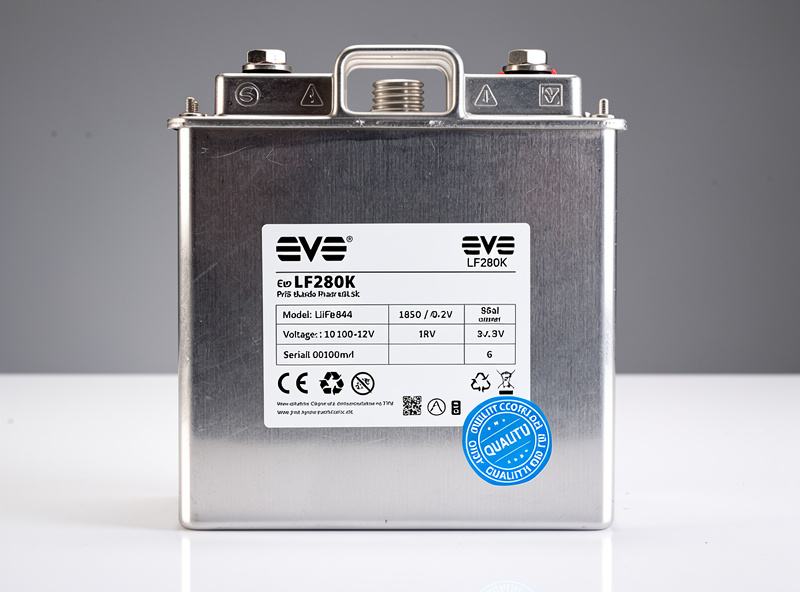
EVE Energy is the most-used LiFePO4 cell brand for DIY home storage in 2026. The flagship cells: LF280K (280Ah, ~14 kg, $80-120 per cell) and LF304K (304Ah, ~15 kg, $90-140 per cell). Both are prismatic format designed for stationary storage applications.
EVE’s quality control is excellent. Each cell ships with QC documentation showing tested capacity, internal resistance, and voltage. Variation between cells is typically within 1-2% — tight enough that proper top-balancing produces cells that track together over thousands of cycles.
Sourcing: buy from established resellers (Docan, Luyuan, Battery Hookup, etc.) with verified EVE supply chains. Direct from EVE distributors works for bulk orders (16+ cells); single-cell purchases through resellers cost slightly more but are easier for first-time DIYers. Avoid Alibaba listings without verified manufacturer relationships — counterfeit EVE cells are common.
Cycle life for EVE cells: 6,000+ cycles at 80% DOD per manufacturer specs. Real-world DIY users report 4,500-6,000 cycles in service after 5+ years, validating the manufacturer claims.
CATL: The Largest Manufacturer
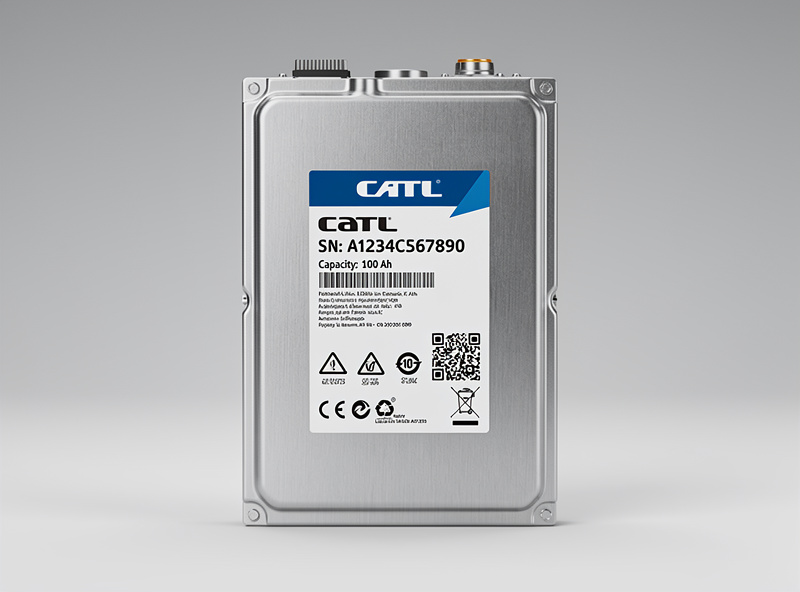
CATL (Contemporary Amperex Technology) is the world’s largest battery manufacturer. CATL 280Ah and 314Ah cells appear in many production home storage systems (EG4, BigBattery, Pytes) and increasingly in DIY builds.
CATL quality is excellent — equivalent to EVE in measured performance. The 314Ah cells are the largest format readily available for DIY, attractive for high-capacity builds where fewer cells reduce series complexity (8 cells of 314Ah produce roughly the same capacity as 8 cells of 280Ah but with 12% more capacity per cell).
Availability has historically been the issue with CATL — most production goes directly to OEMs, leaving smaller volumes for DIY resellers. As of 2026 availability has improved through dedicated DIY suppliers (BigBattery’s cell program, several Asian distributors), but EVE still dominates the casual DIY market.
Pricing: CATL 280Ah typically $90-130 per cell, 314Ah typically $100-150. Slightly more expensive than equivalent EVE on per-cell basis but the larger 314Ah cell delivers 11% more capacity per dollar.
CALB: The Established Premium Alternative
CALB (China Aviation Lithium Battery) is a legacy premium manufacturer. CALB CA280 cells are reliable, well-tested, and slightly more expensive than EVE or CATL equivalents.
CALB’s reputation comes from automotive supply heritage — CALB cells appeared in early commercial EVs and have proven track records. For home storage, this translates to predictable behavior and broad documentation.
The trade-off: pricing. CALB cells typically cost 10-15% more than equivalent EVE cells with marginal performance difference. For users who specifically value the CALB heritage or have access to favorable CALB pricing, the choice is reasonable. For most DIY users, EVE or CATL provide equivalent results at lower cost.
CALB is the “safe choice” for risk-averse builders — established brand, predictable supply, no surprises. The cost premium funds that confidence.
Other Manufacturers
BYD: Chinese giant supplying many EV manufacturers. BYD blade-style LFP cells appear in some production systems. Limited DIY availability; more common in production OEM products.
Lishen: Premium Chinese manufacturer with growing DIY presence. Quality comparable to EVE and CATL. Pricing typically aligns with CATL.
REPT: Emerging premium manufacturer. Cells appear in growing number of production systems. DIY availability still developing.
Hithium: Newer entrant making large prismatic cells optimized for stationary storage. Some DIY users report excellent results; the supply chain is less established than EVE/CATL.
Avoid: Cells without verified manufacturer documentation, “EVE” cells priced significantly below market (likely counterfeit), used cells from unknown sources, and Grade B cells unless you specifically understand the trade-offs. Our DIY LiFePO4 build guide covers cell sourcing in production-build context.
Grade A vs Grade B Cells
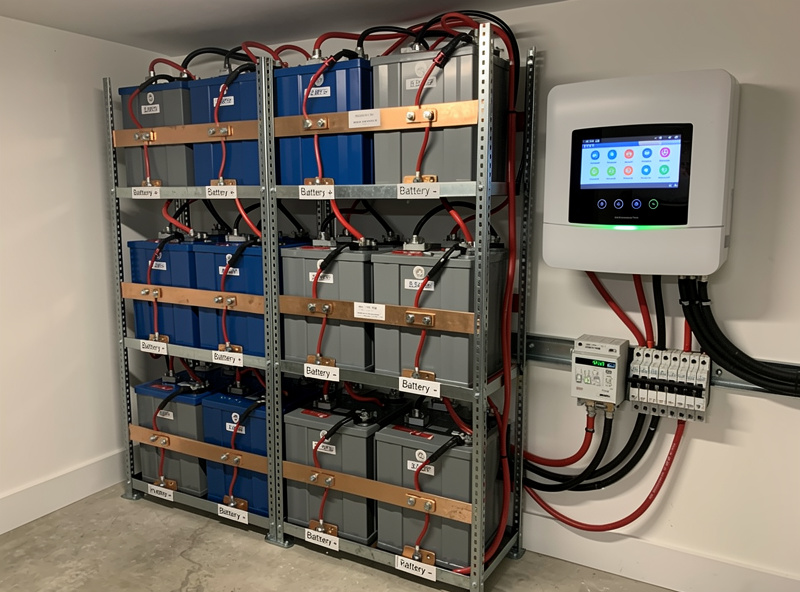
Grade A cells passed full manufacturer QC. Grade B cells failed one or more tests but are otherwise functional. Common Grade B issues: slightly reduced capacity (e.g., 270Ah instead of 280Ah), higher self-discharge rate, or cosmetic defects that don’t affect performance.
Grade A pricing: $80-150 per 280Ah cell from premium brands. Grade B: $50-90 per equivalent cell. The 30-40% savings is meaningful for budget builders.
The trade-offs: Grade B cells produce more variable systems. Capacity per cell varies more, cells age slightly differently, and the lifetime expectations are less predictable. For experienced builders comfortable with extra balancing complexity, Grade B can work; for first-time builders, Grade A is worth the cost.
Critical distinction: legitimate Grade B cells from reputable manufacturers vs counterfeit “Grade B” labels on rejected/old/unknown cells. Premium manufacturers don’t typically sell their own Grade B for DIY — most “Grade B” cells in the DIY market are actually unmarked rejected cells from various sources. Verify Grade B claims carefully.
Frequently Asked Questions
Are EVE cells better than CATL?
Roughly equivalent in 2026. Both manufacturers produce premium-quality LiFePO4 cells with comparable cycle life and reliability. EVE has broader DIY availability; CATL has larger 314Ah format option. Pick by which is available from your preferred supplier rather than expecting significant performance differences.
Where to buy EVE cells safely?
Established resellers with verified supply chains: Docan Power, Luyuan, Battery Hookup, Big Battery, and several others. Avoid random Alibaba sellers; counterfeit EVE cells are common at suspiciously low prices. Reseller markup is reasonable insurance against counterfeit cells.
What’s the difference between LF280K and LF304K?
Capacity: 280Ah vs 304Ah. Same chemistry, same form factor (slightly different dimensions), same quality. The LF304K offers 8.5% more capacity per cell at typically 12-15% higher cost. For builds where space matters, LF304K maximizes capacity per cell. For builds where cost matters most, LF280K is slightly better value.
How long do EVE / CATL cells actually last?
Manufacturer specs claim 6,000+ cycles at 80% DOD; real-world DIY data shows 4,500-6,000 cycles in service after 5+ years for users who maintain proper top-balancing and stay within charge/discharge limits. Achieving the high end requires careful BMS configuration and avoiding edge cases (cold charging, deep discharges).
Should I buy 16 EVE cells or one prebuilt 48V battery?
DIY 16-cell EVE builds cost ~$1,500-2,200 per 14-15 kWh; prebuilt 48V LiFePO4 batteries cost $2,000-3,000 for similar capacity. The savings is real (~$500-1,000) but requires DIY skills (BMS configuration, cell balancing, mechanical assembly). For first-time builders or users without electrical comfort, prebuilt is easier.
Do I need matched cell capacity?
Yes, ideally within 1-2% of each other. Mismatched cells in series mean the lowest-capacity cell limits the entire pack. Buying cells from one manufacturer batch (sequential serial numbers) provides the closest matching. Some resellers test and match cells before shipping; this is worth paying slightly extra for.
What’s the warranty on EVE / CATL cells?
Typically 1-3 years against manufacturing defects from quality resellers. Manufacturer warranty (5+ years) usually requires direct purchase relationships unavailable to typical DIY buyers. The reseller’s warranty is the practical protection. Verify warranty terms before purchase, especially for builds that take weeks to assemble — some resellers measure warranty from purchase, not from when the system goes online.