Important Disclaimer
BatteryStorageHQ provides educational content and estimates only. We are not certified installers, financial advisors, or electricians. Always consult with licensed professionals.
The fastest way to extend LiFePO4 battery cycle life is to stop emptying the pack and stop parking it full: hold usable depth of discharge near 80%, charge to a modest absorption voltage, and don’t dwell at the top. Together these can take a bank from roughly 3,000 cycles to well past 6,000 — without spending a krona on better cells.
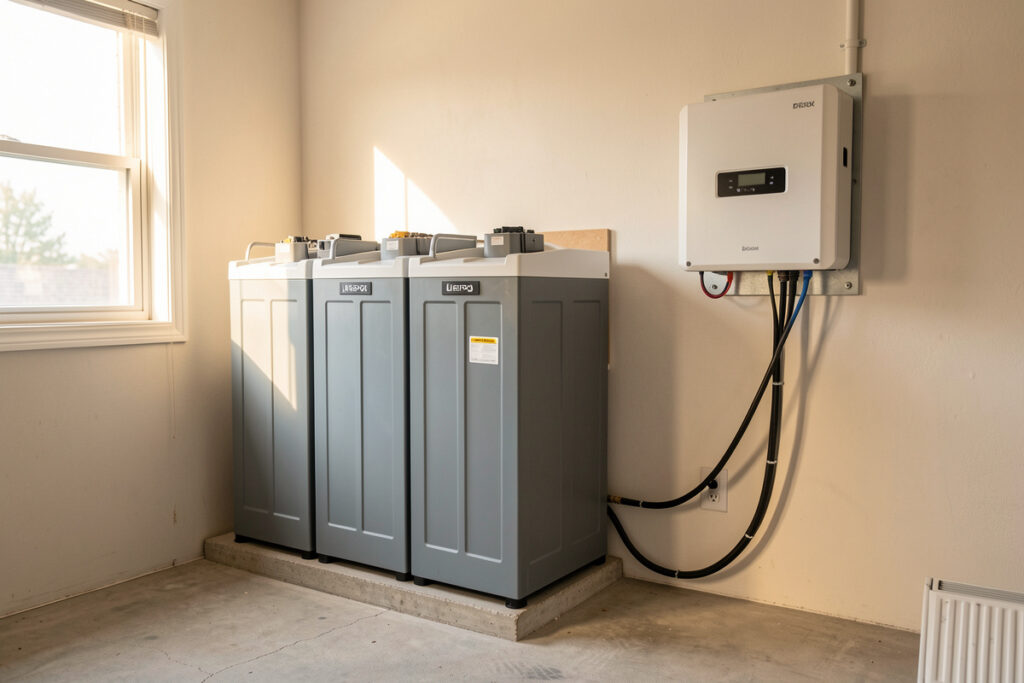
I have run the same 16S LiFePO4 bank for years on exactly these habits, and kept an older reference bank of grade-B pulls on the bench to watch what harder use does over time. The cells you buy set the ceiling; how you cycle them decides whether you reach it. Here are the LiFePO4 cycle life tips that actually move the number, ranked by how much they matter.
The Levers That Actually Matter
Cycle life is not one setting — it is the sum of four habits, and they are not equal. In rough order of impact: depth of discharge, time spent sitting at a high state of charge, charge (absorption) voltage, and temperature. Cell quality and balance sit underneath all of them as the foundation. Most people obsess over the wrong one — chasing an exotic charge algorithm while routinely running the pack flat. Get the order right and the gains compound.
The encouraging part is that every one of these levers is free. They are settings on your charger and inverter and a small change in how you use the bank, not hardware you have to buy. That is the whole appeal of doing the maintenance side well: it is the cheapest capacity upgrade available, because it is capacity you simply stop throwing away.
Depth of Discharge: The Biggest Lever
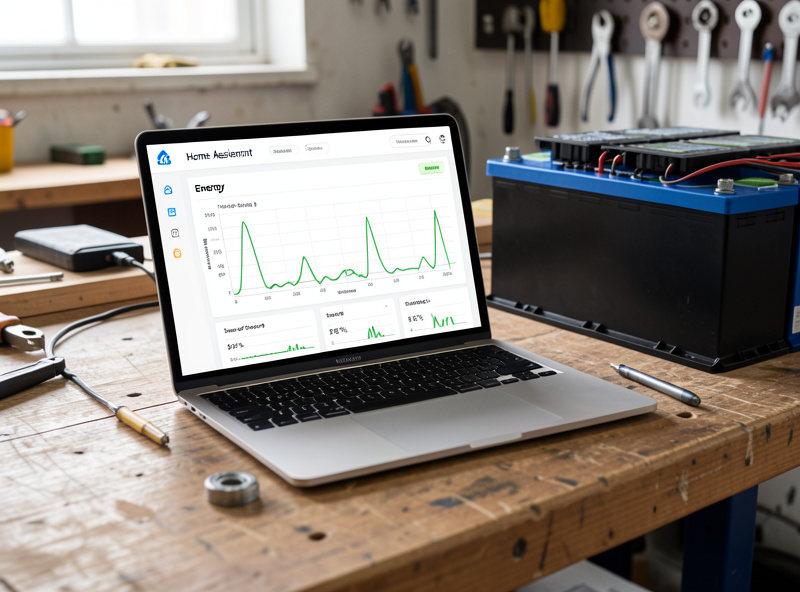
Depth of discharge is the single largest factor in LiFePO4 cycle life. Quality cells rated around 6,000 cycles at 80% DoD typically deliver only 3,000–4,000 if you run them to 100% every cycle. The relationship is steep at the extremes: the last 10% of discharge does disproportionate damage, and so does the last few percent of charge. Leaving a small reserve at the bottom is the highest-return habit there is.
On my bank I set the inverter’s low-voltage cutoff to leave roughly 10–20% in reserve rather than chasing every last amp-hour. That reserve also doubles as genuine backup headroom, so it is not wasted capacity — it is insurance that happens to extend pack life. The full curve and how to set your cutoff is in the depth of discharge guide, and the chemistry math behind it is laid out in battery cycle life vs DOD. Size the bank so your daily draw is a modest fraction of total capacity and shallow cycling happens by default.
Charge Voltage and the Absorption Trap
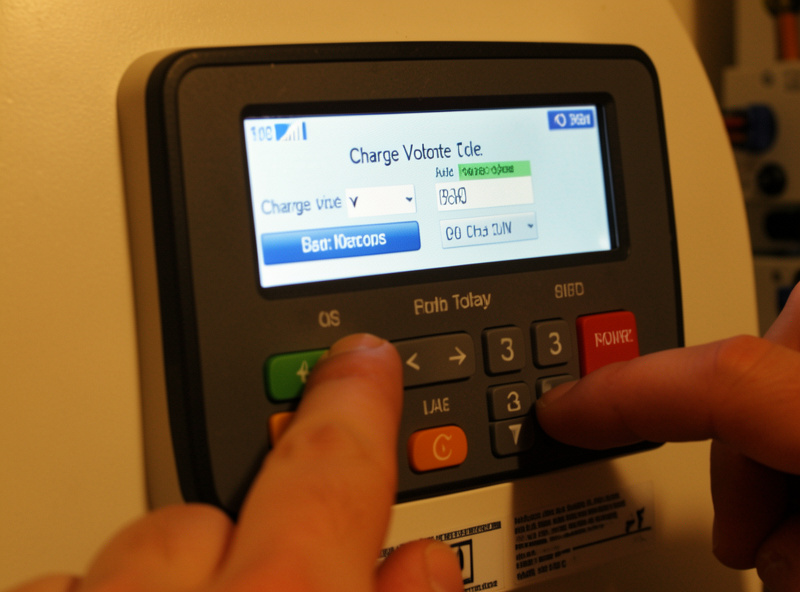
Charging LiFePO4 to a high absorption voltage and holding it there is a quiet cycle-life killer. The cell does not need 3.65 V per cell to be full — it reaches well over 95% state of charge by around 3.45 V and the rest is a long, low-current tail that mostly just stresses the cell and provokes balancing trips. For my 16S bank I set absorption around 56.0–56.4 V (about 3.50–3.53 V per cell) and keep the absorption time short.
Float is the companion setting. A float held too high keeps every cell pinned near the top indefinitely, which is exactly the calendar-aging condition you want to avoid. I float low — around 54.0 V — or skip float entirely on a self-consumption system that cycles daily. The goal is “full enough to use,” not “pinned at the ceiling.” Done right, this also reduces how hard the BMS has to balance, which keeps cell spread tighter over time.
Don’t Park a Full Pack
Time spent sitting at a high state of charge ages a cell even when it is doing no work — this is calendar aging, and at 100% SoC it runs measurably faster than at a middling charge. A pack that hits 100% every afternoon and sits there until evening is aging harder than one that floats around 70–80% most of the time. For a daily-cycling solar bank this often sorts itself out, but for a backup bank that mostly sits, it matters a lot.
If your bank is primarily backup and rarely cycles, do not keep it at 100%. A resting state of charge in the 60–80% range dramatically slows calendar aging while still leaving plenty on tap for an outage. For genuinely long idle periods — a seasonal cabin, a winter shutdown — drop it to a storage charge around 50–60%, which is covered in the winter storage guide.
Temperature: Cold Charging and Hot Storage
Temperature affects cycle life in two directions. Charging below 0 °C (32 °F) plates metallic lithium onto the anode and permanently damages LiFePO4 — this is not gradual wear, it is immediate harm, and it is the single most destructive mistake in cold climates. A working low-temperature charge cutoff in the BMS is mandatory; discharging cold is fine, charging cold is not. The cold side is covered in detail in LiFePO4 cold-weather performance and the BMS charge-temperature cutoff guide.
Heat is the slower poison. Sustained high temperatures accelerate calendar aging and side reactions inside the cell, so a bank that bakes in a hot, unventilated enclosure all summer will fade faster than one kept cool. The sweet spot for both cycling and longevity is ordinary room temperature. Site the bank somewhere it stays moderate year-round, and you have removed temperature as a variable.
How the Habits Stack Up
The table below is the rough impact of each habit relative to a baseline of running cells hard — full charge, full discharge, held at the top. These are directional figures consistent with published LFP cycle-life data, not a promise for your exact cells, but they show where the leverage is.
| Habit | What It Does | Relative Effect on Cycle Life |
|---|---|---|
| Cap usable DoD near 80% | Leaves a bottom reserve | Largest — can roughly double cycles |
| Avoid parking at 100% SoC | Slows calendar aging | Large for low-cycle / backup banks |
| Lower absorption voltage | Less stress at the top | Moderate, and tightens balance |
| Low or no float | Not pinned at ceiling | Moderate |
| Keep cool, never charge below freezing | Prevents lithium plating & heat aging | Prevents catastrophic / accelerated loss |
| Top-balance & quality cells | Sets the achievable ceiling | Foundational |
One thing the table cannot show: these habits reinforce each other. A bank that is shallow-cycled, charged gently, and kept cool also stays in balance more easily, trips its BMS less, and gives you a cleaner capacity test year over year. Good cycle-life practice is the same thing as low-maintenance practice — which is the whole point of the maintenance and troubleshooting guide this is part of.
Frequently Asked Questions
How many cycles does a LiFePO4 battery last?
Quality LiFePO4 cells are typically rated for 6,000-plus cycles at 80% depth of discharge, dropping to roughly 3,000-4,000 if cycled to 100% every time. Real lifespan depends far more on how you use the pack than on the brand, since depth of discharge and temperature dominate the outcome.
Is it better to keep a LiFePO4 battery fully charged?
No. Sitting at 100% state of charge accelerates calendar aging. For a backup bank that rarely cycles, a resting charge of 60-80% slows aging while leaving plenty for an outage. Daily-cycling solar banks matter less because they do not dwell at the top for long.
What absorption voltage should I use for LiFePO4 cycle life?
A modest absorption voltage extends life. For a 16S bank, around 56.0-56.4 V (about 3.50-3.53 V per cell) with a short absorption time reaches full charge without the stressful long tail at 3.65 V per cell. Lower float, around 54.0 V, or skip float on a daily-cycling system.
Does shallow cycling really double battery life?
Roughly, yes. Published LiFePO4 data shows cycle count rising steeply as depth of discharge drops, with about 80% DoD often delivering double the cycles of 100% DoD. The last 10% of both charge and discharge does disproportionate damage, so leaving a reserve at each end pays off.
Does charging in the cold shorten LiFePO4 life?
Charging below 0 C (32 F) does not just shorten life, it permanently damages the cell by plating lithium onto the anode. Discharging cold is acceptable. A low-temperature charge cutoff in the BMS is mandatory in cold climates to prevent this immediate, irreversible harm.