Important Disclaimer
BatteryStorageHQ provides educational content and estimates only. We are not certified installers, financial advisors, or electricians. Always consult with licensed professionals.
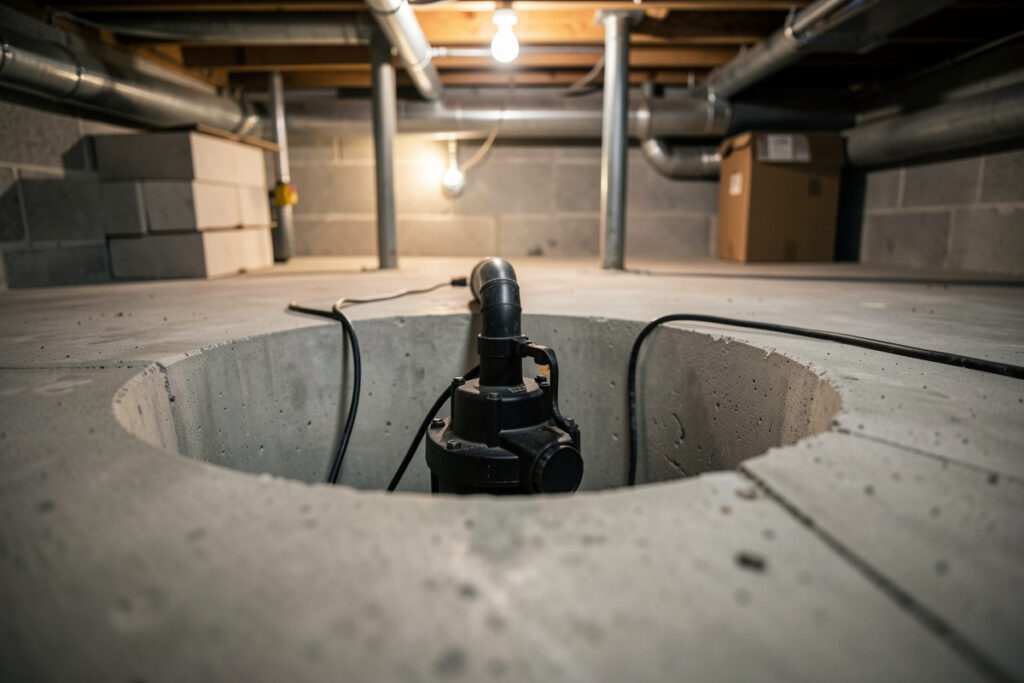
A sump pump is the load where battery backup earns its keep, because the moment you most need it — a heavy storm — is exactly when the grid is most likely to fail and your basement is most likely to flood. A 1/2 HP sump pump draws 800–1,050 W while running and surges to 2,000–4,000 W at startup, but it runs only intermittently, so even a small LiFePO4 bank can cycle it for days. The job is to size the inverter for that surge and keep the bank charged enough to outlast the storm.
I run a 16S LFP bank monitored through Home Assistant, and a storm-driven pump is the textbook case for an automatic, surge-tolerant backup. This guide covers how to build a sump pump battery backup system that actually fires when the lights go out — the surge math, why dedicated battery backup beats the water-powered and tiny-12V alternatives, and how to make the handoff automatic. For where this sits among everything a bank can run, see the hub on what a battery system can power.
Why Sump Pumps Are a Special Case
Most backup loads are about comfort or convenience. A sump pump is about preventing thousands in water damage, and its failure mode is correlated with the outage: storms knock out power and dump water at the same time — which is why Ready.gov’s power-outage guidance stresses arranging backup power before the season, not during the storm. That changes the priorities. Runtime matters, but reliability of the automatic handoff matters more — a backup that needs you to flip a switch in the dark while water rises is no backup at all.
The energy demand itself is modest. A sump pump only runs when the float switch trips, and even in a serious storm it might cycle for a minute every few minutes. Total energy over a night is often just a few kilowatt-hours, which is why a 5 kWh bank can ride out a long, wet outage. The hard requirement is the startup surge, which your inverter has to clear every single cycle, all night, without fault.
The Surge Math
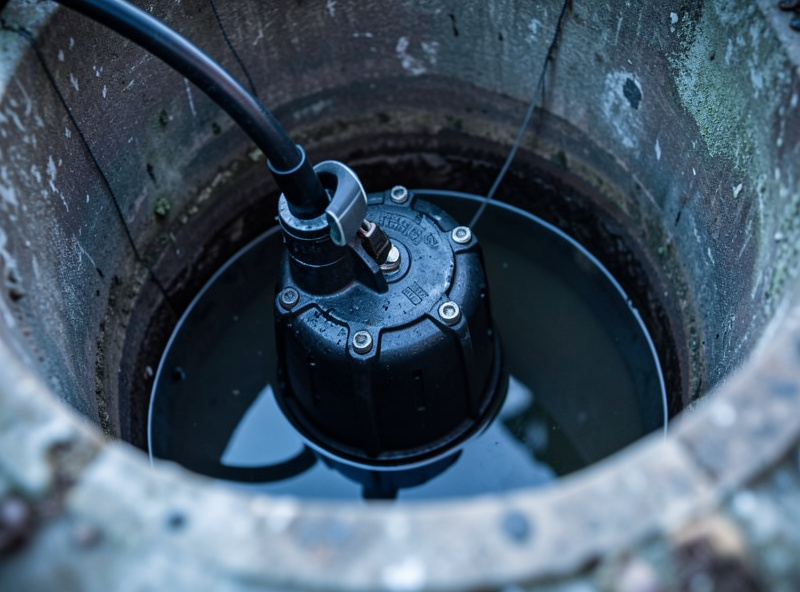
A typical 1/3 to 1/2 HP submersible sump pump runs at 800–1,050 W and pulls a locked-rotor surge of roughly 2,000–4,000 W for a fraction of a second on each start. A 1/2 HP pump is comfortably handled by a 2,000 W pure-sine inverter once you account for that surge; a 3/4 HP unit wants 3,000 W or more. Because the pump may start hundreds of times across a stormy night, the inverter needs to clear that inrush reliably and repeatedly — a marginal inverter that mostly starts it is worse than useless when the basement is filling. The first time I tried a budget high-frequency inverter on a 1/2 HP pump it faulted on the locked-rotor surge every handful of starts — fine right up until the one start that mattered. I run a low-frequency Victron MultiPlus-II on the bank now precisely because it rides through that inrush without flinching.
As with any motor, a low-frequency inverter rides through the inrush more gracefully than a lightweight high-frequency unit, and a pure sine wave keeps the pump’s motor running cool and quiet. If your pump has a controller or alarm board, it expects clean power; the case for that is in pure sine vs modified sine, and the surge-first inverter logic runs through the best hybrid inverter guide.
Battery Backup vs the Alternatives
There are three common ways to back a sump pump, and a real LFP system beats the other two for anything more than a brief blip. Water-powered backups run off your municipal water pressure and waste enormous amounts of city water for modest pumping — and they do nothing on a private well. Dedicated 12 V sump batteries (the small lead-acid units sold as “battery backup sump pumps”) use a separate low-flow DC pump and a single deep-cycle battery that’s often flooded lead-acid; they’re cheap but low-capacity, slow, and the battery degrades quietly until it fails the night you need it.
A proper LiFePO4 bank with a pure-sine inverter runs your existing full-size AC sump pump at full flow, lasts far longer per charge, recharges from solar, and — because LFP holds capacity and tolerates being kept at a high state of charge — is actually ready when called. It’s the same bank that can back your fridge, well and heating, so the sump pump rides on infrastructure that’s earning its keep year-round rather than a single-purpose battery slowly sulphating in the corner. The chemistry case is in LiFePO4 vs NMC for home storage.
Making the Handoff Automatic
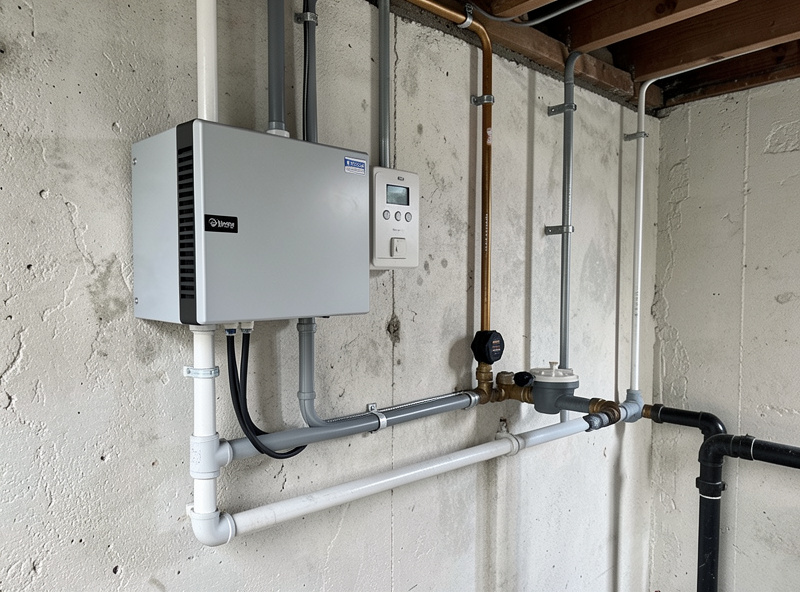
The whole point is that the pump keeps running when the grid drops without anyone present. That means the sump circuit needs to be fed by an inverter that switches to battery automatically and fast — a hybrid inverter or a system with a proper automatic transfer switch and a short transfer time, so the float switch never knows the grid went away. I monitor mine so a pump start during an outage, or an abnormally long run, pages me before it becomes a flood. The same rule engine that watches per-cell voltage and state of charge watches the pump, which means I find out about a stuck float or a failing pump from my phone, not from the smell of a wet basement. Setting that up is covered in smart inverter monitoring.
How I’d Build It
For a standard 1/2 HP basement sump pump, I’d put it on a 2,000–3,000 W low-frequency pure-sine inverter with automatic transfer, backed by a 5 kWh LFP bank — days of storm pumping given how little energy the pump actually uses — and a modest solar input to keep it topped through a multi-day system. Add proper DC fusing on the battery side, verify the transfer is automatic and fast, and instrument the circuit so you’re alerted to trouble. The result is a basement that stays dry through exactly the kind of long, wet outage that floods everyone else’s. Run the numbers with the battery sizing guide and pair it with the well pump backup if you’re on a well.
Frequently Asked Questions
What size battery do I need for a sump pump backup?
Less than you’d expect for runtime, but the inverter must handle the surge. A sump pump runs intermittently and uses only a few kWh even across a stormy night, so a 5 kWh LiFePO4 bank gives days of pumping. The harder requirement is an inverter rated for the 2,000 to 4,000 W startup surge.
Is a LiFePO4 battery better than a dedicated sump pump battery?
Yes, for capacity and reliability. The small lead-acid units sold as battery-backup sump pumps use a low-flow DC pump and a single deep-cycle battery that degrades quietly. A LiFePO4 bank with a pure-sine inverter runs your full-size AC pump at full flow, lasts longer, recharges from solar, and stays ready when called.
How long will a battery run a sump pump during a storm?
Typically several days. Because the pump only runs when the float trips and uses just a few kWh per night even in heavy rain, a 5 kWh bank can cycle it through a long outage. Solar input extends that indefinitely, which matters since storm outages can last for days.
Does the sump pump backup switch on automatically?
It should, and that is the most important feature. Use a hybrid inverter or an automatic transfer switch with a short transfer time so the pump keeps running the instant the grid drops, with no one present. A backup that needs a manual switch in the dark is not real protection during a storm.
Why won’t my inverter start my sump pump?
Because the pump motor pulls a locked-rotor surge of 2,000 to 4,000 W at startup, well above its 800 to 1,050 W running draw. If that exceeds the inverter’s surge rating it faults. Use a low-frequency pure-sine inverter rated comfortably above the surge so it clears the inrush reliably on every cycle.